
Black Friday has grown into one of the biggest global shopping events of the year, with millions of people waiting for deals on electronics, fashion, appliances, and more. But an important question many people ask is: what year did Black Friday start? While its roots go back further than most realize, the real turning point when it became a shopping phenomenon can be traced to a specific era.
This article takes a deep dive into the origins of Black Friday, the year it truly gained recognition, and how it transformed into the sales holiday we know today.
What Year Did Black Friday Start?
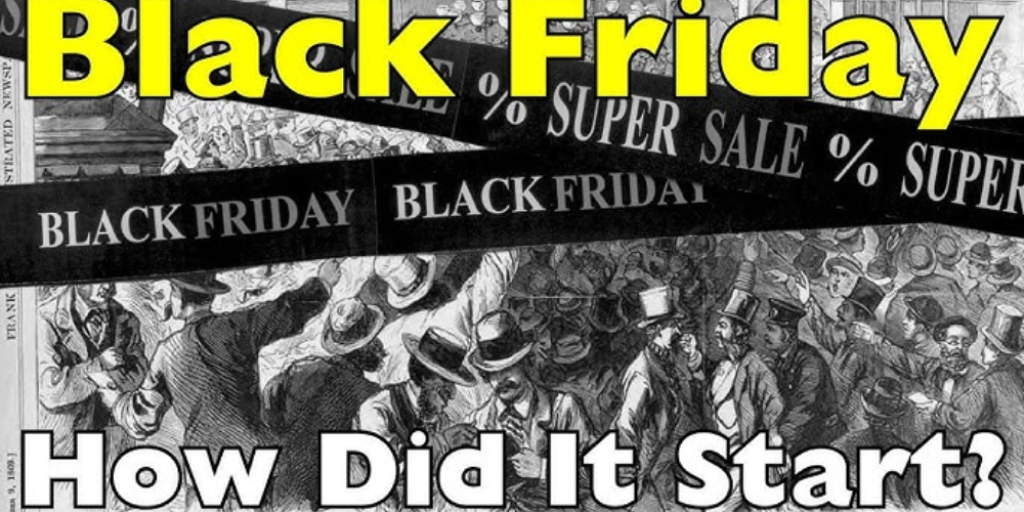
The phrase Black Friday was first used in the 1960s, but it wasn’t until the 1980s that it became widely recognized as the shopping holiday we know today. Originally, the term had nothing to do with discounts. In fact, it was used by police in Philadelphia to describe the chaos of shoppers and traffic the day after Thanksgiving.
Retailers disliked the negative tone, but by the 1980s, they began to flip the meaning into something positive. They promoted the day as the time when businesses went from being “in the red” (losing money) to “in the black” (profitable). This clever shift in narrative was the spark that turned Black Friday into a celebrated shopping day.
The Early History of Black Friday
Origins of the Name
The term “Black Friday” first appeared in connection with financial crises in the late 1800s, including the 1869 U.S. gold market crash. But its association with shopping came later, during the 1950s and 1960s, when Philadelphia police officers used it to describe the crowded streets packed with holiday shoppers the day after Thanksgiving.
From Negative to Positive
At first, retailers weren’t happy with the nickname. To counteract the negative association, store owners in the 1980s started marketing Black Friday as a positive occasion when their sales boosted profits dramatically. This shift marked the real beginning of Black Friday’s journey into the retail calendar.
When Black Friday Took Off
If we focus on what year did Black Friday started as a true shopping tradition, the answer points to the 1980s. This decade saw major national retailers embrace the day, advertise huge discounts, and encourage crowds to come early for limited-time deals.
From then on, Black Friday was no longer a local phenomenon. It became a recognized national event and, eventually, an international one.
Why Black Friday Became a Phenomenon
Several factors contributed to its rise:
- Retailers reframed the meaning of “Black Friday” as positive and profitable.
- Media coverage of massive crowds and shopping frenzies spread awareness.
- The timing right after Thanksgiving made it the unofficial start of the holiday shopping season.
- Consumers learned to expect and wait for deep discounts.
- Expansion into online sales later magnified its reach.
This perfect storm helped turn Black Friday into the biggest shopping day of the year.
Black Friday in the Modern Era

Expansion Beyond Stores
While early Black Fridays were dominated by long lines at physical stores, the rise of the internet changed everything. By the late 1990s and early 2000s, online retailers joined the trend, making it easier for people to shop without the chaos of crowded malls.
Cyber Monday Joins the Scene
In 2005, the first “Cyber Monday” was introduced as a way to promote online shopping on the Monday after Black Friday. Together, these two events reshaped the shopping calendar and encouraged more retailers to invest in both in-store and online sales.
Global Growth
By the 2010s, Black Friday was no longer just an American event. Countries across Europe, Asia, and beyond adopted the concept. Local retailers began offering promotions around the same time, and global e-commerce companies made Black Friday a worldwide celebration of shopping.
Misconceptions About Black Friday
Even though Black Friday is deeply ingrained in modern culture, there are a few misconceptions:
Black Friday Isn’t the Only Sale of the Year
While it’s one of the biggest, it isn’t the only major sales event. Retailers now spread discounts across the calendar, including summer sales, back-to-school promotions, and holiday clearances.
Not Every Deal is the Best
Sometimes retailers inflate “original” prices before slashing them on Black Friday. Shoppers need to research in advance to know whether a discount is genuine.
It Doesn’t Always Mean Chaos
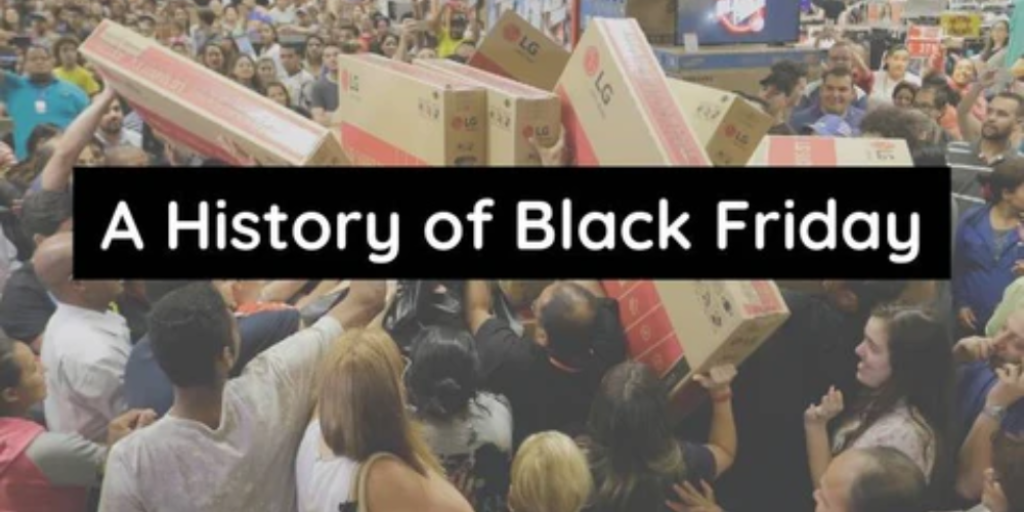
Although viral videos show shoppers fighting over TVs, not all Black Fridays are chaotic. With online shopping becoming dominant, many people avoid in-store stress entirely.
The Year Black Friday Truly Took Off
So, what year did Black Friday start in the way we understand it today? The roots trace back to the 1960s, but the 1980s were the turning point when the name was rebranded and the tradition of huge holiday sales began.
From there, the event grew exponentially, gaining momentum every decade and eventually expanding across the globe.
Key Moments in Black Friday’s Rise
To better understand its growth, here are some key highlights:
- 1960s – Philadelphia police use “Black Friday” to describe post-Thanksgiving shopping chaos.
- 1980s – Retailers reframe the term positively, making it the start of the holiday shopping season.
- 1990s – The event becomes a national retail tradition, with major chains running doorbuster deals.
- 2000s – Online sales and Cyber Monday give Black Friday new digital momentum.
- 2010s – Black Friday goes global, with countries worldwide adopting the shopping holiday.
- 2020s – Black Friday evolves into a hybrid event with both online and in-store shopping dominating.
The Cultural Impact of Black Friday
A Shopping Holiday
Black Friday has become more than a sales event; it’s a cultural tradition. Families plan shopping trips, friends camp outside stores, and shoppers mark the day on their calendars every year.
Retailer Strategies
For businesses, Black Friday is a chance to finish the year strong. It shapes marketing strategies, inventory planning, and customer engagement efforts months in advance.
Consumer Behavior
For consumers, it influences buying habits. Many people delay major purchases until Black Friday, knowing that discounts are coming.
Black Friday’s Future
As retail continues to evolve, so will Black Friday. Experts predict that it will remain central to the shopping calendar, but with even greater emphasis on digital deals, extended promotions, and global participation.
The event will likely become less about one chaotic day and more about a season of sales spread across November, catering to online shoppers and international audiences alike.
Final Thoughts
So, what year did Black Friday start as the shopping holiday we recognize today? While the phrase existed in the 1960s, it was the 1980s that transformed it into the retail phenomenon it has become. What began as a term for traffic chaos in Philadelphia is now one of the most powerful sales events worldwide.
From crowded stores to online shopping carts, Black Friday has not only redefined consumer habits but also reshaped global retail. And though its form may continue to evolve, its legacy as the official start of the holiday shopping season is here to stay. For those looking beyond Black Friday, you can also explore how to find the biggest trampoline savings at Walmart this year to make the most of seasonal deals.
Frequently Ask Question
Q. What year did Black Friday start as a shopping tradition?
Black Friday started becoming a recognized shopping tradition in the 1980s, when retailers rebranded it as a positive event tied to holiday discounts.
Q. Where did the term “Black Friday” originally come from?
The term was first used in the 1960s by police officers to describe the heavy traffic and chaos after Thanksgiving.
Q. Was Black Friday always about shopping deals?
No, originally it had negative associations. It wasn’t until the 1980s that retailers promoted it as the start of the holiday shopping season.
Q. What year did Black Friday become popular worldwide?
Black Friday began spreading internationally in the 2010s, as global e-commerce platforms and major retailers expanded the tradition.
Q. Is Black Friday still only one day of shopping?
Traditionally, yes. But many retailers now extend deals into the weekend, Cyber Monday, and even weeks before and after the official day.